

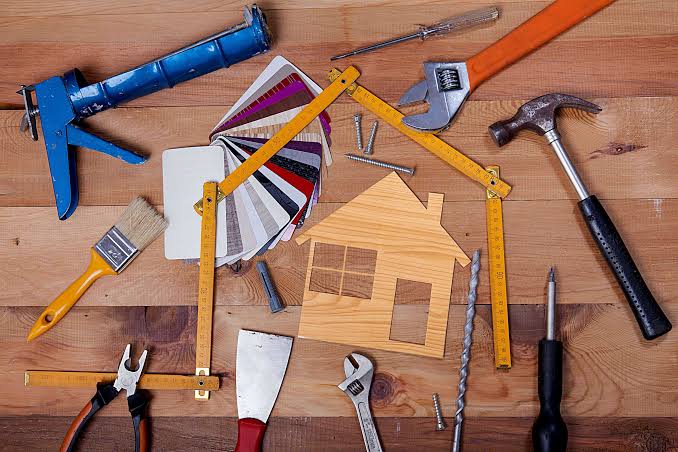
The world of Home Improvement is changing rapidly as homeowners look for smarter, more efficient, and more sustainable ways to upgrade their living spaces. In 2026, home improvement is no longer just about aesthetics—it’s about increasing property value, reducing energy costs, enhancing comfort, and preparing homes for the future.
Whether you’re planning a full renovation or making small upgrades, understanding the latest home improvement trends can help you make informed decisions. From smart home technology to eco-friendly materials, today’s improvements offer lasting benefits for homeowners and potential buyers alike.
If you’re considering your next project, now is the perfect time to explore the ideas shaping modern homes.
Why Home Improvement Matters
Investing in Home Improvement offers benefits beyond visual appeal. Strategic upgrades can improve daily living while increasing the resale value of your property.
Key advantages include:
- Higher property value
- Improved energy efficiency
- Better indoor comfort
- Enhanced home safety
- Reduced maintenance costs
- Greater functionality
- Modern appearance
Even modest improvements can deliver an excellent return on investment when planned carefully.
Top Home Improvement Trends in 2026
1. Smart Home Technology
Technology continues to transform modern homes.
Popular smart upgrades include:
- Smart thermostats
- Video doorbells
- Smart locks
- Voice-controlled lighting
- Automated window shades
- Security cameras
- Smart appliances
These systems improve convenience while helping homeowners save energy and monitor their homes remotely.
2. Energy-Efficient Improvements
Energy efficiency remains one of the biggest priorities for homeowners.
Common upgrades include:
- High-performance windows
- Better insulation
- LED lighting
- Energy-efficient HVAC systems
- Solar panels
- Heat pump water heaters
These improvements reduce monthly utility bills while making homes more environmentally friendly.
3. Sustainable Materials
Eco-conscious homeowners increasingly choose sustainable building materials.
Popular options include:
- Bamboo flooring
- Recycled wood
- Reclaimed materials
- Low-VOC paints
- Recycled countertops
- Water-saving fixtures
Sustainable products combine durability with environmental responsibility.
4. Multi-Functional Living Spaces
Remote work and flexible lifestyles have increased demand for rooms that serve multiple purposes.
Examples include:
- Home offices
- Guest rooms with workstations
- Fold-away furniture
- Built-in storage
- Convertible entertainment spaces
Maximizing available space is one of the smartest home improvement investments.
5. Outdoor Living Enhancements
Outdoor spaces have become valuable extensions of the home.
Popular projects include:
- Covered patios
- Outdoor kitchens
- Fire pits
- Deck renovations
- Pergolas
- Landscape lighting
- Garden seating areas
These additions create enjoyable spaces for entertaining and relaxation.
Kitchen Improvements That Add Value
The kitchen remains one of the most valuable areas to renovate.
Popular upgrades include:
- Quartz countertops
- Energy-efficient appliances
- Soft-close cabinets
- Large kitchen islands
- Walk-in pantries
- Under-cabinet lighting
- Modern backsplashes
A well-designed kitchen can significantly increase buyer interest and improve everyday functionality.
Bathroom Remodeling Trends
Bathrooms continue to receive major attention during renovation projects.
Popular features include:
- Walk-in showers
- Floating vanities
- Heated floors
- Touchless faucets
- Smart mirrors
- Water-saving toilets
- Natural stone finishes
Luxury-inspired bathrooms create comfort while increasing property value.
Simple Home Improvement Projects
Not every improvement requires a major renovation.
Affordable upgrades include:
- Fresh interior paint
- New cabinet hardware
- Updated light fixtures
- Modern faucets
- Smart thermostats
- Landscaping improvements
- New flooring
- Decorative wall panels
Small projects often produce noticeable improvements without requiring large budgets.
Planning a Successful Home Improvement Project
Proper planning helps avoid unnecessary costs and delays.
Before starting, consider:
Set a Budget
Determine how much you’re willing to invest and include a contingency fund for unexpected expenses.
Prioritize Needs
Focus on improvements that solve problems before cosmetic upgrades.
Research Materials
Compare quality, durability, warranties, and maintenance requirements.
Hire Qualified Professionals
Experienced contractors help ensure projects meet safety standards and local building codes.
Think Long-Term
Choose timeless designs rather than short-lived trends to maximize future resale value.
Common Home Improvement Mistakes
Avoiding these mistakes can save time and money.
- Starting without a budget
- Ignoring permits
- Choosing the cheapest materials
- Hiring unqualified contractors
- Following trends without considering functionality
- Underestimating project timelines
- Neglecting energy efficiency
Careful planning reduces costly surprises during renovation.
Home Improvement and Property Value
Not every renovation provides the same financial return.
Projects that typically offer strong value include:
- Kitchen remodeling
- Bathroom updates
- Window replacement
- Roof replacement
- Exterior improvements
- Garage door replacement
- Landscaping
- Energy-efficient upgrades
The best investments combine everyday functionality with long-term resale appeal.
The Future of Home Improvement
The future of Home Improvement will continue to emphasize technology, sustainability, and flexible living.
Emerging innovations include:
- AI-powered home automation
- Smart energy management
- Eco-friendly construction materials
- Water conservation systems
- Modular furniture
- Advanced home security
- Solar energy integration
Homeowners who embrace these innovations will enjoy greater comfort, lower operating costs, and increased property value.
Conclusion
Home Improvement in 2026 is about creating smarter, healthier, and more efficient living spaces. Whether you’re upgrading a single room or renovating your entire home, investing in quality improvements delivers long-term benefits.
By focusing on energy efficiency, sustainable materials, smart technology, and functional design, homeowners can increase both comfort and property value. Planning carefully, working with experienced professionals, and selecting improvements that match your long-term goals will help ensure your investment pays off for years to come.
If you’re ready to transform your home, now is an excellent time to begin planning your next home improvement project.
Frequently Asked Questions
1. What is home improvement?
Home improvement includes renovations, repairs, remodeling, and upgrades that improve a home’s appearance, functionality, or value.
2. Which home improvement projects add the most value?
Kitchen renovations, bathroom remodeling, energy-efficient windows, roofing, and landscaping typically offer strong returns.
3. Is smart home technology worth installing?
Yes. Smart devices improve convenience, security, energy efficiency, and can increase a home’s market appeal.
4. How can I reduce renovation costs?
Plan carefully, compare contractor quotes, prioritize essential upgrades, and choose durable materials that require minimal maintenance.
5. Why is energy efficiency important in home improvement?
Energy-efficient upgrades lower utility bills, reduce environmental impact, improve comfort, and often increase property value.
