

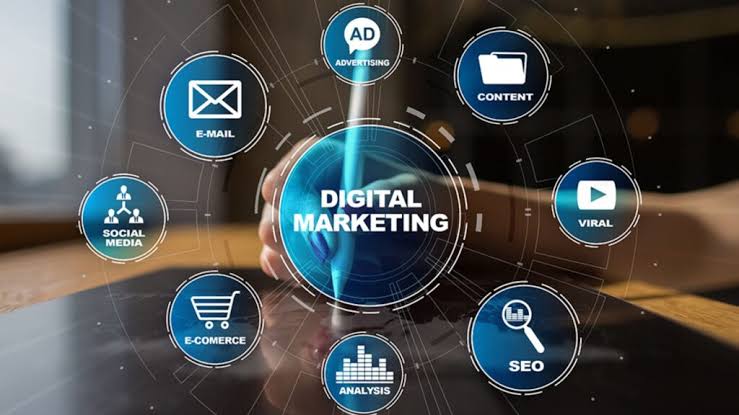
Digital Marketing has become one of the most powerful tools for businesses looking to reach new customers, build brand awareness, and increase revenue. As technology evolves and consumer behavior changes, companies must adapt their marketing strategies to stay competitive.
In 2026, digital marketing is driven by artificial intelligence, personalized customer experiences, video content, and data-driven decision-making. Whether you own a small business or manage a global brand, understanding these trends can help you create more effective campaigns and achieve sustainable growth.
This guide explores the latest digital marketing trends, essential strategies, and best practices to help businesses succeed in today’s competitive online landscape.
What Is Digital Marketing?
Digital marketing refers to promoting products or services through online channels such as:
- Search engines
- Social media
- Email marketing
- Websites
- Mobile applications
- Online advertising
- Content marketing
Unlike traditional marketing, digital marketing allows businesses to target specific audiences, measure campaign performance, and optimize strategies in real time.
Why Digital Marketing Matters
Modern consumers spend a significant amount of time online, making digital channels essential for business growth.
Benefits of digital marketing include:
- Increased brand visibility
- Higher website traffic
- Better customer engagement
- Improved lead generation
- Cost-effective advertising
- Measurable campaign results
- Global market reach
Businesses that invest in digital marketing can build stronger relationships with customers while improving their return on investment (ROI).
Top Digital Marketing Trends in 2026
1. Artificial Intelligence in Marketing
Artificial intelligence is transforming how businesses create and optimize marketing campaigns.
AI helps marketers:
- Generate content ideas
- Personalize customer experiences
- Automate email campaigns
- Improve customer support with chatbots
- Analyze marketing data
- Predict customer behavior
Using AI enables businesses to save time while delivering more relevant content.
2. Short-Form Video Content
Video continues to dominate digital platforms.
Short videos are highly effective because they:
- Capture attention quickly
- Increase engagement
- Improve social media reach
- Build brand awareness
- Encourage product discovery
Businesses are investing in educational videos, product demonstrations, behind-the-scenes content, and customer testimonials.
3. Search Engine Optimization (SEO)
SEO remains one of the most valuable digital marketing strategies.
Effective SEO includes:
- Keyword research
- High-quality content
- Fast website performance
- Mobile-friendly design
- Internal linking
- Technical optimization
- High-authority backlinks
Strong SEO helps businesses attract consistent organic traffic without relying entirely on paid advertising.
4. Personalized Customer Experiences
Consumers expect personalized interactions across digital platforms.
Businesses now customize:
- Email campaigns
- Product recommendations
- Website content
- Advertising
- Promotions
- Customer support
Personalization increases customer satisfaction and improves conversion rates.
5. Voice Search Optimization
As smart speakers and voice assistants become more popular, businesses are optimizing content for conversational search queries.
Voice search strategies include:
- Natural language keywords
- FAQ pages
- Local SEO
- Fast-loading websites
- Structured data
Optimizing for voice search helps businesses reach users searching hands-free.
Essential Digital Marketing Channels
Content Marketing
Publishing valuable content helps businesses educate audiences while improving SEO.
Popular formats include:
- Blog articles
- Case studies
- Infographics
- Videos
- Podcasts
- E-books
High-quality content builds trust and establishes industry authority.
Social Media Marketing
Social media platforms help businesses connect directly with customers.
Benefits include:
- Community building
- Brand awareness
- Customer engagement
- Product promotion
- Lead generation
Consistent posting and audience interaction are key to long-term success.
Email Marketing
Email remains one of the highest-performing digital marketing channels.
Successful campaigns focus on:
- Personalized messages
- Valuable content
- Clear calls to action
- Mobile-friendly design
- Audience segmentation
Email marketing is ideal for nurturing leads and encouraging repeat purchases.
Pay-Per-Click (PPC) Advertising
Paid advertising delivers immediate visibility on search engines and social media.
Advantages include:
- Fast traffic generation
- Precise audience targeting
- Budget flexibility
- Performance tracking
- High scalability
Combining PPC with SEO often produces the best long-term results.
Common Digital Marketing Challenges
Despite its benefits, digital marketing presents several challenges.
Increasing Competition
More businesses compete for online visibility than ever before.
Algorithm Updates
Search engines and social platforms regularly change their algorithms, affecting visibility and engagement.
Data Privacy
Consumers expect businesses to handle personal information responsibly while complying with privacy regulations.
Content Saturation
Publishing unique, high-quality content is essential in a crowded digital marketplace.
Tips for a Successful Digital Marketing Strategy
To maximize results, businesses should:
- Define clear marketing goals
- Understand their target audience
- Invest in high-quality content
- Optimize for search engines
- Use data to improve campaigns
- Maintain consistent branding
- Test and refine strategies regularly
- Focus on customer experience
A well-planned strategy delivers stronger engagement and better long-term growth.
The Future of Digital Marketing
The future of Digital Marketing will continue to evolve with advances in AI, automation, machine learning, and immersive technologies.
Emerging trends include:
- AI-powered content creation
- Predictive analytics
- Interactive experiences
- Augmented reality shopping
- Advanced marketing automation
- Privacy-focused advertising
- First-party data strategies
Businesses that embrace innovation while maintaining authentic customer relationships will be best positioned for future success.
Conclusion
Digital Marketing is no longer optional—it is a fundamental part of business growth. Companies that invest in SEO, content marketing, social media, email campaigns, and AI-powered tools can attract more customers, strengthen brand loyalty, and increase revenue.
Success requires continuous learning, adapting to industry trends, and focusing on delivering value to customers. By combining creativity with data-driven strategies, businesses can build a strong online presence and remain competitive in the ever-changing digital landscape.
Whether you’re launching a startup or expanding an established brand, effective digital marketing is the key to sustainable growth in 2026 and beyond.
Frequently Asked Questions
1. What is digital marketing?
Digital marketing is the promotion of products or services through online channels such as search engines, social media, email, websites, and digital advertising.
2. Why is SEO important in digital marketing?
SEO improves website visibility in search engine results, helping businesses attract organic traffic and long-term customers.
3. How does AI improve digital marketing?
AI automates repetitive tasks, personalizes customer experiences, analyzes campaign performance, and improves marketing efficiency.
4. Which digital marketing channel offers the best ROI?
The best ROI depends on the business, but SEO, email marketing, and content marketing often deliver strong long-term results.
5. What are the biggest digital marketing trends in 2026?
Artificial intelligence, personalized marketing, short-form video, voice search optimization, automation, and data-driven decision-making are among the leading trends.
